Saturday, March 29, 2008

"Made in China" wie is de schuldige?

Je ontving misschien ook die “Forward” dat foto’s toont van hoe de Chinese politie een kidnapping oplost en daarna de colcusie : door het feit dat ze een kidnapper meteen afschieten, en “wij” hen jaren luxe gevangenisverblijf betalen, kunnen de Chinezen zo veel goedkoper dan ons produceren.

Populistisch, plat, dom. Maar het ging de wereld rond, en bij de helft van de bestemmelingen blijft het hangen !

Ik voel bij mijn Amerikaanse klanten een sterker wordend anti-china gevoel, alsof er zelfs stilaan jalousie komt bij kijken.

Maar wie koopt die producten? Wie profiteert? In welke handen zijn de bedrijven die deze producten laten maken? En waar gaat de grootste winst naartoe?

Eerder was er het voorval van het Fisher Price speelgoed dat moest worden teruggeropen (lood in de verf). Wie was de schuldige? Is het niet het Westers berdijf zelf die steeds op zoek is naar het product dat een centje goedkoper is?

Interessant ook dit artikel : http://www.indymedia.be/nl/node/13300 over “Nieuwe Chinese arbeidswet stuit op hevig weerwerk van multinationals”.

En dan niet te vergeten : de vervuiling. Velen wijzen China met de vinger, maar wie is nogsteeds de grootste vervuiler? En wie zijn de kopers van de Chinese producten? En waarom? Heeft de Chinees dan geen recht op een auto? Of moeten ZIJ het voorbeeld geven aan ons?

Er is een interessante reactie gekomen op een vorige posting : http://www.blogger.com/comment.g?blogID=2569948712025332933&postID=6122338487725211881 met de stelling : iedereen heeft zijn mond volover kritiek op China en boycots van de olympische spelen, maar als het op hun eigen portemonnee aankomt is men plots stil.

Punt : Wie klaagt en wie beschuldigt? Wie is de oorzaak en wie de profiteur? Het ligt niet voor de hand.

Wat denk jij ?

Tibet: Aan welke kant sta jij?

Het duurde even voordat ik ervan wist ... maar het kwam niet als een verrassing. Rellen in Tibet. Ik heb geen oplossing en ik weet soms nauwelijks aan welke kant ik sta. Maar moet ik wel kiezen tussen Tibet en China? En wat betekent kiezen voor Tibet? Onafhankelijkheid?

Mijn sympathie ging altijd al naar Tibet uit, een vreedzaam eenvoudig volk, onderdrukt door de Chinese machine. Nu dat ik in China woon bekijk ik het toch al iets kritischer.
Er val t veel over te discussiëren. Ik typte al een Engelse posting : http://frederbau.blogspot.com/2008/03/tibet-china-freedom-of-press.html
En er zullen er de komende dagen nog veel volgen. Er zijn natuurlijk al veel interessante blogs en forums, en naar deze zal ik dan ook geregeld linken.

Als inleiding raad ik iedereen aan een kijkje te nemen op de blog van "onze correspondent in China" Tom Van De Weghe : www.ondertusseninchina.be , en meer specifiek de achtergrond informatie in dit artikel : http://www.suspects.be/oic/?p=88 (de "undergroundversie").
Tom doet dat goed zei ik voordien dan al in : http://frederbau.blogspot.com/2008/02/kritiek-op-china.html , maar toch is er ook kritiek op hem,
neutraal blijven is moeilijk. Iemand vond het zelfs nodig om een youtube filmpje te publiceren over de "misleidende informatie over China" die Tom verspreid. http://youtube.com/watch?v=atSujN5MM8o


Ik kon het alvast niet laten daar mijn mening over te uiten in volgende artikel : http://www.suspects.be/oic/?p=87#comments##pbzzragf

In Beijing hoorde ik gelukkig ook andere opinies die gematigder klinken, een Canadees diplomaat haalde volgende punten aan : Tibetaans boeddhisme is een zeer extremistisch geloof en we weten maar al te goed tot wat extremisme lijdt. Vroeger was de buitenlander totaal niet welkom in Tibet. Een aanslag op een bus deed 5 Chinese meisjes levend verbranden, is dat het vredelievende Tibet? ...
Een franse journalist stelde :De rellen zijn in grote mate te vergelijken met de rellen in Parijs, een bende jongeren die uit dommigheid van niet beter weten dan rel te schoppen (beetje Franse arrogantie is altijd leuk)))

Binnenkort veel meer stof tot nadenken, maar laat je ondertussen maar al horen !
Kies jij radicaal voor Tibet?

Boycot Olympische spelen of niet? Democratie en vrijheid?

Het is begonnen! De olympische vlam is onderweg, zo ook de tonnen kritiek op China.
Het zal van nu af niet meer ophouden, de rellen in Tibet zijn slechts een begin, en voor velen de perfecte gelegenheid om eens goed "hun gedacht" te spuien over hoe slecht China wel is.

Of is China toch niet zo slecht? Wie weet het?
Naar mijn bescheiden mening zijn er velen die er eigenlijk geen zicht op hebben. En al te vaak wordt geponeerd dat dit en dat moet veranderen in China, de mensenrechten, de corruptie, de kinderarbeid, enz ... Maar nooit heb ik diezelfde kritiekaster een oplossing weten voorstellen.

(toen ik las dat minister van sport -el sympatico- Anciaux, als eerste beslist had om niet naar de openingsceremonie te gaan, ... wilde ik daar meteen een blog-artikel over kwijt ... het zullen er meerdere worden)

Vaak staat men er ook niet bij stil hoeveel vooruitgang er gemaakt is in de voorbije 10, 20 jaar. Als China zo voort doet wordt ze nog het voorbeeld voor vele andere landen. We kunnen er heus wel iets van leren. Het is eigen aan de Chinese politiek/cultuur dat veranderingen niet plots gebeuren, "langzaam maar zeker".

Soms hoor ik iemand die stelt : "China is geen democratie! SCHANDALIG" ... euhm, ja, klopt, maar stel dat ze wel een democratie was, zou het dan beter gaan?
De generatie die nu de touwtjes in handen heeft, maakte nog de culturele revolutie mee, leefde in voedselarmoede, kende nooit iets anders dan een autoritair regime, ...

eigenlijk is er wel degelijk en vorm van inspraak van de man op de straat, die kan een voorstel doen op het laagste politieke niveau dat tot nationale wet kan vorderen)


Punt is: China is goed bezig, maakt veel vooruitgang, en het zal nog 2 generaties duren voordat bvb. een democratie mogelijk is.
In dit land is een zo groot verschil tussen arme en rijke regio's (en personen), het is deels nog een derde wereld land. Er is nog veel werk aan de winkel, en diegenen die het best weet hoe het moet is China zelf.
Er moet kritiek zijn van buitenaf, maar laat het dan vooral opbouwende kritiek zijn !

Wat denk jij? Boycot van de openingsceremonie : ja of neen? En waarom? Is China zo veel slechter dan andere landen? Hoe lang kan de democratie wachten? Kan een democratie in bepaalde regio's wel en tegelijkertijd in andere (waar mensen nog niet voldoende ontwikkeld zijn) niet?
Graag een "comment"!

Tibet & China, freedom of press & understanding why.

The Riots in Lahsa had been going on since a few days before I got to read about it on the foriegn new sites. Yes, surely in the beginning, it was not such an issue here in Beijing. And if the Chinese governement could have hidden it for the public, they probably would've.

By writing this posting I would be condemning my blog to only being able to be read abroad, but that's already the case with all blogs at blogger.com. Things even got worse in the past weeks, no youtube, some proxyserver tools blocked, ... the internet in general slowed down, which is terrible when all your work is online (wiki, CRM, ...).
It's a terrible thing, that there's no freedom of press in China. And for sure helps the government to keep the situation under control.
It is not acceptable and the question is how to change it.

I've had several discussions here with people shouting out loud that China has to become a democracy, tomorrow, even if it takes a revolution.
Chinese laugh at such opinions, saying those laowai (foreigner) really do not understand the Chinese culture and way of doing. And it's true ! But it's hard to blame those laowai, except for not being open minded enough, too sure about the only one good Western way ... "a billion Chinese can't be all wrong". My setting was one of first trying to understand why they do it this or that way before condemning it. Many don't have that patience, but it's needed to understand this totally different world.

Forcing the Western ways into Chinese politics is never going to work, and that's good ! Because the Western "democracies" have proven many times before how wrong they can tackle certain problems. (starting with colonialism till most recently Irak).

Working a lot with Americans I feel there's a general tendency in the US to say that everything from China is bad/wrong. People don't even want to buy the product anymore because they think it's all made by exploited workers in polluting industries.

I've decided to step into the discussions with my blog, there will be several posting to interesting websites with opposite points of view.
The Tibet-riots brought to the surface so much issues on the above, that now is the time to try to explain it to people.

Friday, March 28, 2008

Chinese Newyear at Laizhou 2008

This a post is written more than a month too late... and is meant to add some explanation to the uploaded pictures in : http://picasaweb.google.com/frederbau/20080207_ChineseNewYearLaizhou .

Chinese Newyear or Springfestival is the biggest event in Asia. Many compare it the Christmas and Newyear in the West, but there are a lot of differences though. You can read about the festival itself on a posting from me at my work : http://www.antique-chinese-furniture.com/blog/2008/01/23/chinese-newyear-2008/ .


It was the first time to experience this festival. It promised to be magnificent, but I came back a little disappointed. It is mainly a "being together" for the family, and as often in China, it's all about the intention, showing respect, following tradition than enjoying, party, fun.
As a consequence I do not have much that I feel the need to type down about this. Most important for me was that I had a holiday, fulfilled my duty to the family (oops), experienced it.

EVERY damn day we had to go to eat at some member of the family's place. There is a certain order to respect, first eldest, father side of family, ...
Newyears eve itself is nothing that special, just EAT. More important is the morning after, everyone has to get up early, doors open, family and friends all pass y to wish you good fortune in the next year. ( simplified Chinese: 新年快乐; pinyin: Xīnnián kuàilè , but for some strange reason in the West people know more the Cantonese version : Kung Hei Fat Choi ).

What else is there to mention ? :

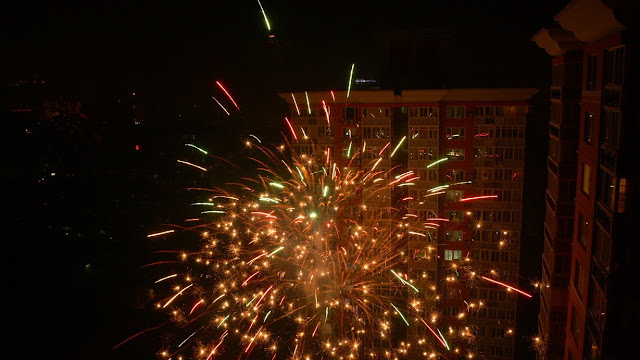
- fireworks, incredible, during three weeks every day morning till evening. Meant to chase away the bad spirits. NY'eve I went out and almost go deaf, my ears have been beeping the whole next day. EVERYONE needs to do it. On the last day of the 3 weeks festival it " lantern day" , the day we cam e back to Beijing. That day EVERYWHERE non-stop from 5 pm till 1 am, you see fireworks in the city at a hundred places at the same time. Driving home with my bike that day I could hardly breath because of all the smoke ...
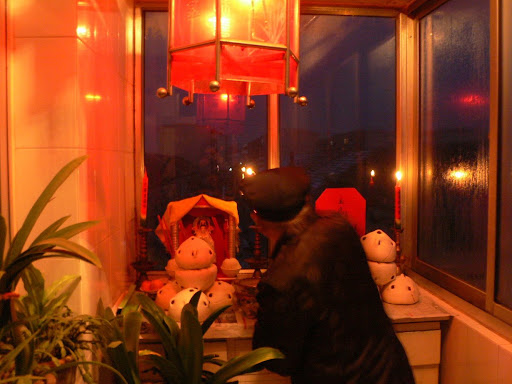
- Ancestors, it is all about respecting the ancestors. That is shown by burning incense in front of the Budha. Most homes have a little altar with a image/statue of Budha. There they make offerings of food and coins to the ones who died...
- Money, it's all about the cash. As soon as kids earn money, they have to give "red envelopes". I could write a whole page about what is the meaning of money in China.
It is very different that in the West, and as much as I don't like the Western concept I don't like the Chinese concept. Money here is "status, position, power,..." Parents have to be given money, event hough they don't need it (and I assure you it's not just a little money!). Kids, baby's get red envelopes, but not toys, toys are not used in the traditional Chinese regions (which makes it look like an indoctrination of "how important cash is"). I hate it, I prefer to give presents ! And the red envelopes it's really "handing it over", there's hardly a thank you (except the kids, they have to bow on their knees in front of you to pay respect).

- drinking, is done in all families, but in mine not too much. There is one rich uncle who had 12 years old Chivas at his home for me, but for the rest it's all pi jou (beer) and bai jou (white alcohol, chinese sake, bit like bad tasting vodka) (sometimes a 100$ bottle)

- ... that's it I think.

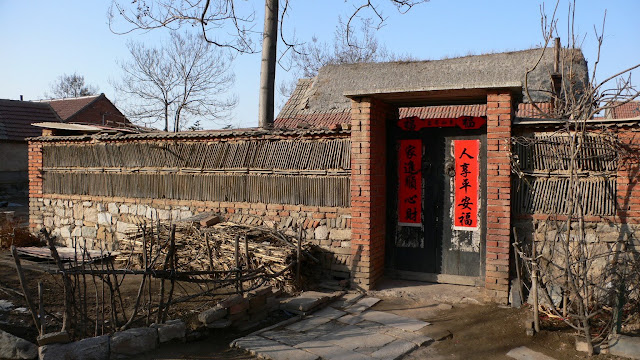
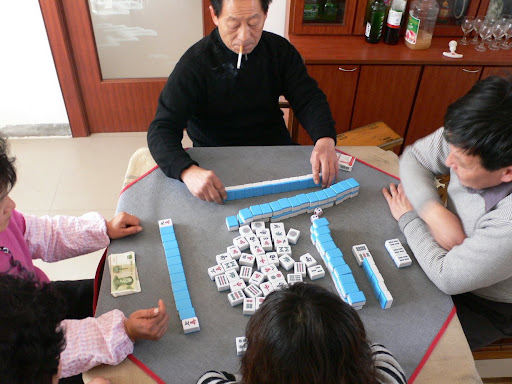
So it's pretty clear that it's not "my cup of tea". I did enjoy being in Laizhou, and seeing the real China, not the westernized capitals. Most of all I like the countryside, where some members of the family still live in farmer's villages, as in the communist days. We play mahjong , I take picture of the old houses, relax and rest.


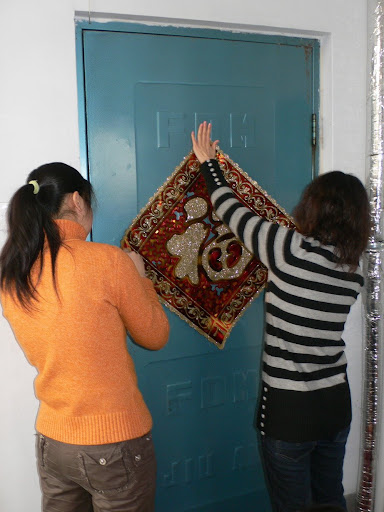
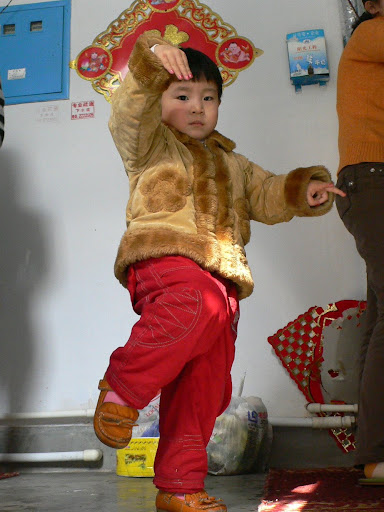
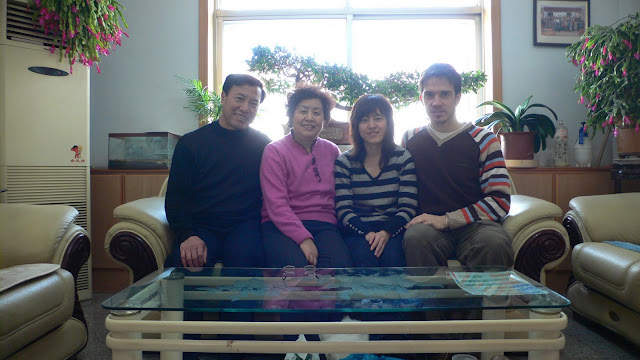
In the gallery there's more pictures showing : changing the sign at the entrance door, Jiajia youngest of the family showing her special moves to me, family shots, photo albums with some weird context and "chinglish", ...

Sunday, March 2, 2008

Antieke Chinese Meubels

Wat zijn antieke Chinese meubels?
Authenthiek? Echte of valse? Reproducties? Hoe oud zijn ze dan?

Zoals de meesten weten werk ik nu al bijna een jaar bij www.antique-chinese-furniture.com , de vraag die dan het eerste en meest gesteld wordt is : "echte antiek?". Waarop het antwoord dan luidt : "Wat is antiek?".


In België zegt de letter van de wet : "antiek is een object dat meer dan 100 jaar oud is."
(zo ook in USA) In China wil men de leegloop van kostbare stukken tegenhouden,
en men heeft daarom de max ouderdom van een object dat mag uitgevoerd worden
teruggebracht van 100 naar 70 jaar ! Dit brengt problemen met zich mee voor
menig importeur. Op antiek betaald men in de USA namelijk 0% duty, maar daar is
antiek dus pas antiek als het 100 jaar oud is, met een 'certificate of
antiquity' afgestempeld in China ... Er gebeuren rare dingen ...

Het loont de moeite om dit eens dieper te onderzoeken. Want er is hier vroeger
al een schat aan erfgoed de oceaan overgestoken.

Ik nodig iedereen uit de artikels te lezen op onze blogs :
www.antique-chinese-furniture.com/blog
, eerder voor de particulier, en
www.acf-china.com/blog , eerder voor de profesional.